- HR Insights Today
- Posts
- 67% of workers would boomerang back, but only if..
67% of workers would boomerang back, but only if..
Inside: Global employee engagement falls to 20%

Sophia Bennett
April 14, 2026

Presented by
Hey HR Pros!
Boomerang employees represent a familiar talent pool, but one that is increasingly selective.
With 67% of workers willing to return under new leadership, the success of rehire strategies now hinges on how organizations have addressed the very issues that drove attrition.
Coming Up:
📊 67% of workers would boomerang back, but only if leadership changes at the top
📉 Global employee engagement falls to 20%, putting pressure on managers to deliver results
🌍 66% of workers face extreme weather, turning workforce resilience into a business risk
🏡 $6,500 homebuyer benefit highlights how targeted financial support can drive retention
One short call with SSR’s HR software advisors is all it takes to go from "where do I even start" to a shortlist of HR tools that fit your budget and needs.
Rated 4.9/5 by 15,000+ HR teams. Free, with no obligation.
Here's how it works:
✅ Set up a call with an SSR HR Software Advisor
💬 Share your team size, priorities, and budget
📋 Get a short list of HR tools matched to your specific requirements
📰 Latest in HR News
Colorado AI bias law is unconstitutional, lawsuit from Elon Musk’s xAI claims
The Price of DEI: IMB to pay $17M to settle lawsuit over alleged illegal practices
AI industry recruiting platform faces multiple lawsuits over data breach
Meta is building an AI Mark Zuckerberg so staff can ‘meet’ the CEO
📊 67% of workers would boomerang back, but only if leadership changes at the top
Leadership is emerging as the decisive factor in whether former employees ever consider coming back. A majority of workers are open to returning, but that openness is conditional on visible changes in management and workplace experience.
For HR teams, boomerang hiring is less about reopening doors and more about proving that the organization has fundamentally changed where it matters most.
Do you see a high number of boomerang employees at your organization? |
Key insights
Leadership change unlocks return intent 🔑 67% would consider returning if leadership improved, making management transformation central to any boomerang hiring strategy.
Work-life balance reinforces leadership impact 🧘 67% also cite balance improvements, suggesting employees link leadership quality directly to day-to-day work experience and sustainability.
Workplace politics signal leadership failure 🏢 65% fear recurring politics, indicating unresolved leadership issues can quickly erode trust in rehire scenarios.
Perception of safety shapes employer brand 📊 37% view returning as playing it safe, meaning leadership must position boomerang roles as growth opportunities, not fallback options.
📉 Global employee engagement falls to 20%, putting pressure on managers to deliver results
Employee engagement is slipping at a time when organizations are investing heavily in AI and transformation.
Manager effectiveness in particular, is emerging as the critical lever, influencing everything from engagement to productivity and adoption of new tools. As expectations rise, managers are facing increased strain, larger teams, and fewer resources, all while being asked to lead change.

Key insights
📉 Engagement decline is driven by managers - Manager engagement dropped nine points since 2022, making them the primary source of global engagement decline.
🤖 AI success depends on manager behavior - Employees are nearly 99 times more likely to see AI impact when managers actively support adoption.
📊 Productivity gains are not translating - 89% of leaders report no productivity impact from AI, highlighting a gap between investment and execution.
⚠️ Manager strain is increasing - Larger teams and reduced managerial layers are lowering engagement and limiting leaders’ ability to effectively support employees.
[Happening Today] Scaling HR: Moving off Spreadsheets, PEOs, and Wing-It PeopleOps as Your Company Grows
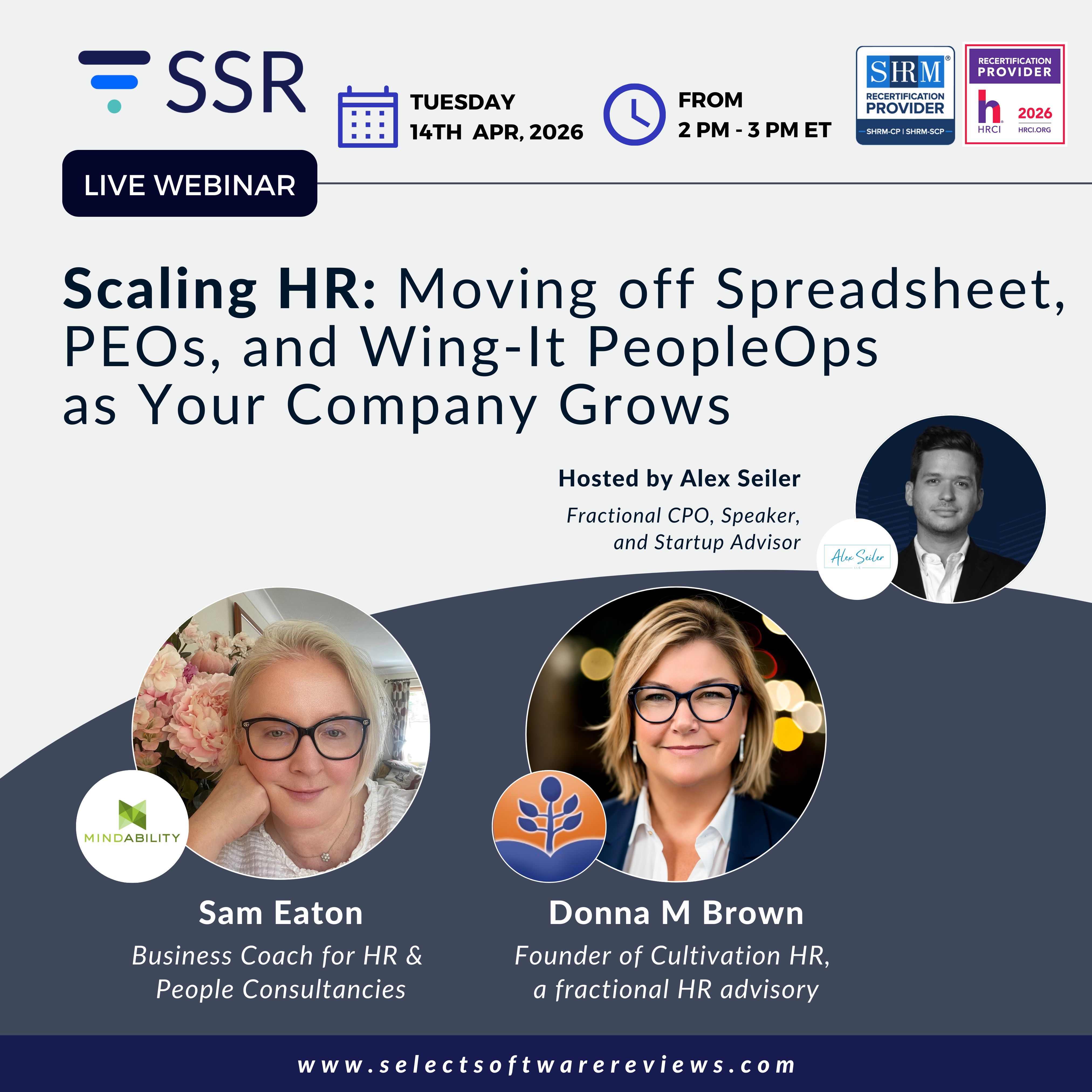
🪴 Join live to win one of two desk plants to make your workspace a little bit more brighter!
🌍 66% of workers face extreme weather, turning workforce resilience into a business risk
Extreme weather is now not an occasional disruption but a recurring factor influencing attendance, productivity, and overall workforce stability.
For HR leaders, this shifts resilience planning beyond offices and operations into employees’ day to day realities, where health, transportation, and financial strain intersect with performance.
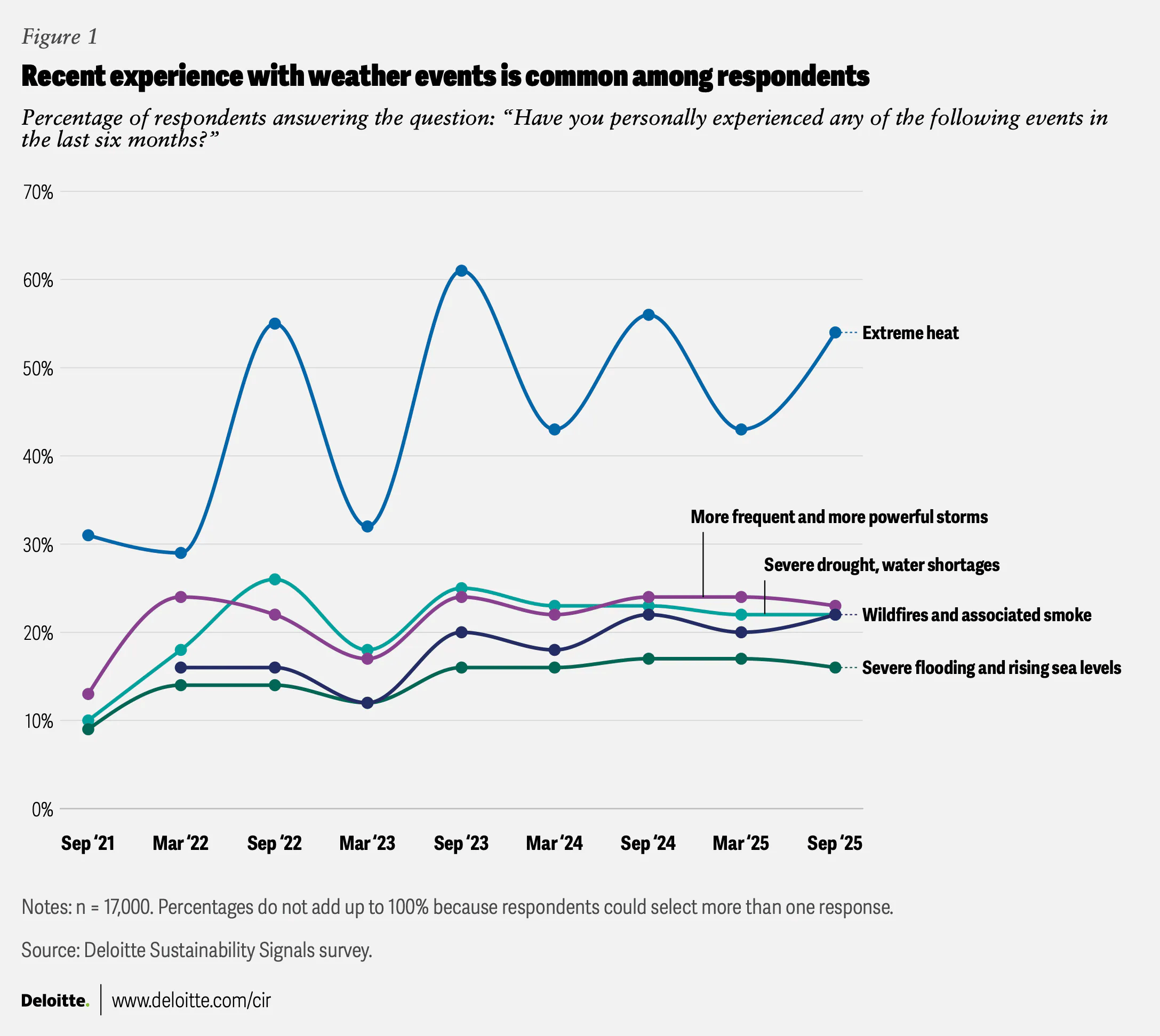
Key insights
Climate disruption is now a workforce issue 🌪️ 66% experienced extreme weather recently, making external conditions a consistent factor in employee reliability and performance.
Absenteeism risk is rising 📉 22% missed work due to weather, increasing to 35% among younger workers, signaling uneven workforce vulnerability.
Productivity is impacted beyond attendance ⚠️ Health issues, financial strain, and transportation disruptions directly affect work quality and employee output.
Employees are self funding resilience 💸 54% are investing in personal preparedness, highlighting a growing gap between organizational support and employee needs.
🏡 $6,500 homebuyer benefit highlights how targeted financial support can drive retention
BNY is introducing a $6,500 down payment assistance program for employees earning $100,000 or less, paired with financial education and mortgage support.
This approach reflects a shift toward benefits that directly address major life barriers like housing affordability rather than offering broad, less utilized perks. By combining cash support with guidance and tools, the program creates a more usable and impactful benefit experience.
Which type of financial wellness benefit would have the biggest impact at your organization? |
Key insights
Targeted benefits drive real impact 🎯 BNY focuses support on employees earning $100K or less, aligning benefits with those most affected by housing affordability challenges.
Combining money with education increases adoption 📚 Pairing $6,500 assistance with financial literacy and mortgage guidance makes the benefit more actionable and effective.
Life stage benefits strengthen retention 🏡 Supporting first time homeownership ties employer value directly to major life milestones, increasing loyalty and long term engagement.
Personalization beats one size fits all ⚙️ The strategy reflects a move toward tailored benefits that meet specific employee needs rather than broad offerings with low utilization.
Thanks for reading HR Insights Today. There’s always something changing in HR. New tools, new trends, new chaos. Not everyone to keep up with everything happening in HR so we do it for you. Each edition brings a quick, curated mix of news, resources, and learnings to help you stay updated.
BTW: This newsletter is powered by SelectSoftware Reviews. Their HR software matching service is a free resource HR pros can use to compare tools, dodge bad software, and make confident decisions (without spending hours researching). Worth checking out if you’re exploring vendors. Learn more about how it works.
How was today's edition?Rate this newsletter. |

Sophia Bennett | Editor-in-Chief | HR Insights Today