- HR Insights Today
- Posts
- 👶 Gen Z or Gen Zzzz?
👶 Gen Z or Gen Zzzz?
Inside: The Pros and Cons In The Rise of AI Agents

Sophia Bennett
August 03, 2025

Presented by

Hey HR Pros!
In this edition, we’re exploring the ripple effects of shifting trust in the workplace. Whether it’s Starbucks showing what happens when you lead with investment, or HR teams recalibrating after scaling back inclusion efforts, one thing is clear: the connection between people and policy has never mattered more.
Upcoming In This Issue:
🚨 Latest on DEI | When DEI Disappears: Inside the Fallout from Policy Rollbacks
👶 Gen Z or Gen Zzzz? Managers Struggle to Train Gen Z on Basics
💰️ New Data | 🤖 When ChatGPT Becomes Your Employee's Salary Coach
📑 Case Study | How Starbucks Uses Upfront Education Benefits to Boost Retention

As a reader of HR Insights Today, we’ve teamed up with SelectSoftware Reviews to send a surprise your way! 🎁
Let’s be honest—researching HR software is a time suck. Endless tabs, confusing options, and that nagging “Did I even pick the right one?” 🤔
Here’s the fix: SSR’s free HR Software matching service will match you with vendors that actually fit your needs and budget. And as a thank-you for taking the time, they’ll send you a $50 Uber Eats gift card that you can treat yourself with for lunch!*
Make smarter, faster decisions with help from HR software experts.
*Terms: No purchase necessary. The above offer is for HR leaders in the US, Canada, and other qualifying geographies who are in market to purchase a new HRIS or ATS in the next 6 months and want help shortlisting the right vendors for their organization. Referrals qualify for a reward if we are able to introduce them to an HR software vendor.
📰 Latest in HR News
Employers not catching up with high demand for benefits personalisation - report
Job Posts with AI Skills Listed Are Willing to Offer 28% Higher Salaries
Aon fired employee with ADHD who wanted to work in the office full time, lawsuit alleges
Office of Personnel Management offers new religious inclusion guidance for federal agencies
🚨 Latest on DEI | When DEI Disappears: Inside the Fallout from Policy Rollbacks
Since late 2024, many companies have walked away from diversity, equity, and inclusion efforts, citing political shifts as their rationale.
Instead of removing division, some leaders admit the move worsened internal tensions—especially among employees who felt DEI once offered protection and belonging.
And now, with more companies planning to cut DEI in the next few years, HR leaders are facing a new, complex question: What’s the real cost of walking away from inclusion?
For those who’ve seen DEI efforts reduced or removed—was the negative impact what you expected? |

The Impact and What HR Needs to Know:
📉 47% of companies that ended DEI programs report lower morale; 36% saw a drop in retaining diverse employees, 35% in attracting them.
👎 25% of employers say removing DEI hurt their reputation; 18% experienced a rise in bias incidents or workplace discrimination.
🗳 74% of leaders cited political climate as the reason for cutting DEI—many after Trump’s re-election and recent court rulings.
⚠️ Experts warn dropping DEI under pressure leads to toxic culture, weak leadership pipelines, and long-term performance risks.
👶 Gen Z or Gen Zzzz? Managers Struggle to Train Gen Z on Basics
It’s one thing to coach new hires—it’s another to constantly remind them to look up from their phones or show up on time. Managers across the U.S. are sounding the alarm: supervising Gen Z staff now feels like parenting.
Without hands-on internships or in-person onboarding, many entered jobs without the casual exposure to workplace norms older generations took for granted.

Key Takeaways
📱 41% of managers frequently remind Gen Z employees to put their phones away; 38% coach them to maintain eye contact during conversations.
⏰ Nearly half of managers must remind Gen Z staff to arrive on time (48%) and complete assignments on time (46%).
🧠 Foundational soft skills are lacking—59% say Gen Z struggles with taking feedback, 46% with client interactions, and 45% with multitasking.
🏫 Pandemic disruption and reduced HR support left Gen Z underprepared; experts suggest group training and college prep as key solutions.
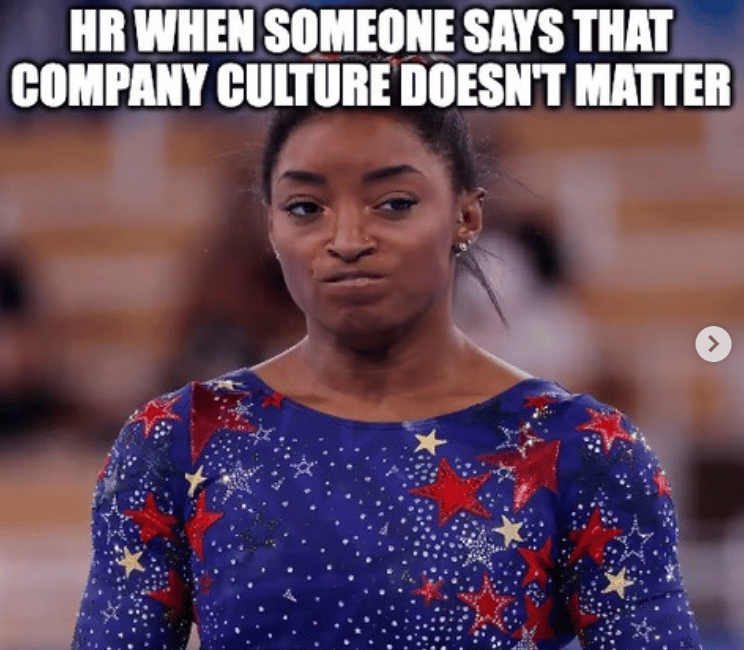
😄 Comic Relief (HR Edition)
💰️ New Data | 🤖 When ChatGPT Becomes Your Employee's Salary Coach
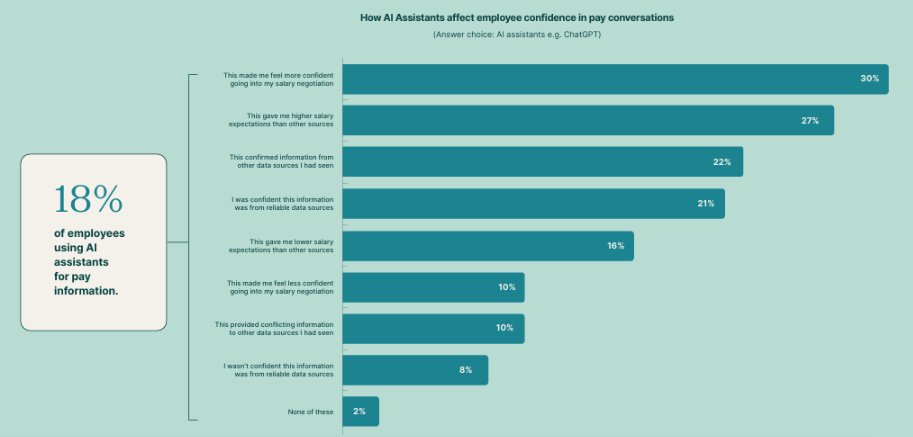
New data from Payscale reveals a growing disconnect between employer pay strategies and employee expectations, with AI tools like ChatGPT accelerating the gap.
While employers lean on structured market data, performance metrics, and internal benchmarks, employees are increasingly crowdsourcing salary expectations from chatbots, social media, and peer networks.
What HR Needs to Know
🤖 18% of employees now consult AI tools like ChatGPT for salary guidance, and over a quarter say it has inflated their expectations.
📉 38% of employers report seeing higher salary demands directly tied to employees' use of AI-powered compensation insights.
📊 74% of employees are likely coming to the table with data—some of it inaccurate—sourced from AI, Glassdoor, or online forums.
🧠 HR’s role is shifting: Don’t just present numbers—explain the logic, show the structure, and understand what’s motivating the ask.
Case Study | How Starbucks Uses Upfront Education Benefits to Boost Retention
🚧 Challenge: Starbucks recognized a major barrier for its hourly workforce—many partners aspired to earn college degrees, but financial constraints made higher education inaccessible.
✅ Solution: In 2014, Starbucks launched the Starbucks College Achievement Plan (SCAP) in partnership with Arizona State University (ASU), offering 100% upfront tuition coverage—no strings attached.
Over time, the program evolved based on employee feedback, removing cash-flow hurdles and introducing flexible, supportive infrastructure to promote both participation and long-term growth.
🧩 Strategy & Implementation
Upfront Tuition Coverage: Shifted from reimbursement to direct tuition payments to eliminate financial strain for hourly partners.
Day-One Eligibility: Full and part-time partners can apply immediately—no tenure or post-graduation commitments required.
Pathway to Admission: Created for employees who don’t initially meet ASU enrollment standards—fully funded and integrated into SCAP.
Integrated Communications: SCAP is introduced during onboarding, promoted in internal comms, and reinforced through graduate spotlights and leader discussions.
Wraparound Support: Includes flexible scheduling, mental health resources (Headspace, Lyra), and store-level peer mentorship.
Autonomy in Education Choices: Employees are free to pursue any degree, whether or not it aligns with Starbucks roles.
📊 Results
26,000+ current participants and 16,000+ graduates since program launch.
2x faster promotion rate for SCAP participants vs. peers.
75% of graduates report continued career growth within Starbucks.
90% of graduates say SCAP positively shaped their future.
Record-high retention rates since the pandemic; some of the lowest turnover in the retail industry.
Talent pipeline success: Many SCAP grads move into retail leadership or transition to corporate roles at Starbucks Support Center.
By removing financial barriers and trusting employees with upfront investment, Starbucks turned an education benefit into a powerful talent strategy.
SCAP doesn’t just offer degrees—it builds loyalty, internal mobility, and long-term engagement. For organizations looking to elevate their L&D impact, this is a model worth studying.
Which part of the Starbucks education strategy do you find most impactful? |
PS - Do check out SSR's free HR software matching service. As you know, buying HR software can be stressful and time-consuming. SSR helps you find the right HR software at the right price, saving you both time and money!
How was today's edition?Rate this newsletter. |

Sophia Bennett
Editor-in-Chief
HR Insights Today