- HR Insights Today
- Posts
- 🤖 How Mastercard Is Using AI to Reinvent HR
🤖 How Mastercard Is Using AI to Reinvent HR
Inside: Behind the Sick Day Spike

Sophia Bennett
June 10, 2025

Presented by

Good Morning!
AI in HR is often hyped, but at Mastercard, it’s quietly becoming the backbone of a smarter, faster, more human-centered people strategy.
In this edition, we break down how Mastercard is applying product thinking to HR, where they’re choosing to build vs. buy, and what the future looks like when 90% of HR transactions are handled by virtual assistants.
⬇️ Upcoming In This Issue
🚨 Red Flags in Remote Work: Why Employees Are Losing Patience
🤖 Case Study | How Mastercard Is Using AI to Reinvent HR From the Inside Out
🤒 Behind the Sick Day Spike: What HR Needs to Rethink
🤔 What Happens When You Flatten the Org Chart?
Free Webinar: How to Convince Leadership it’s Time for a New HRIS
Leadership rarely sees the pain points you deal with inside your HRIS. To them, it’s “good enough”, even if it’s clunky, and outdated In this session by SSR, you will learn how to build a strong business case, translate HR needs into leadership priorities, and navigate objections from leadership. |
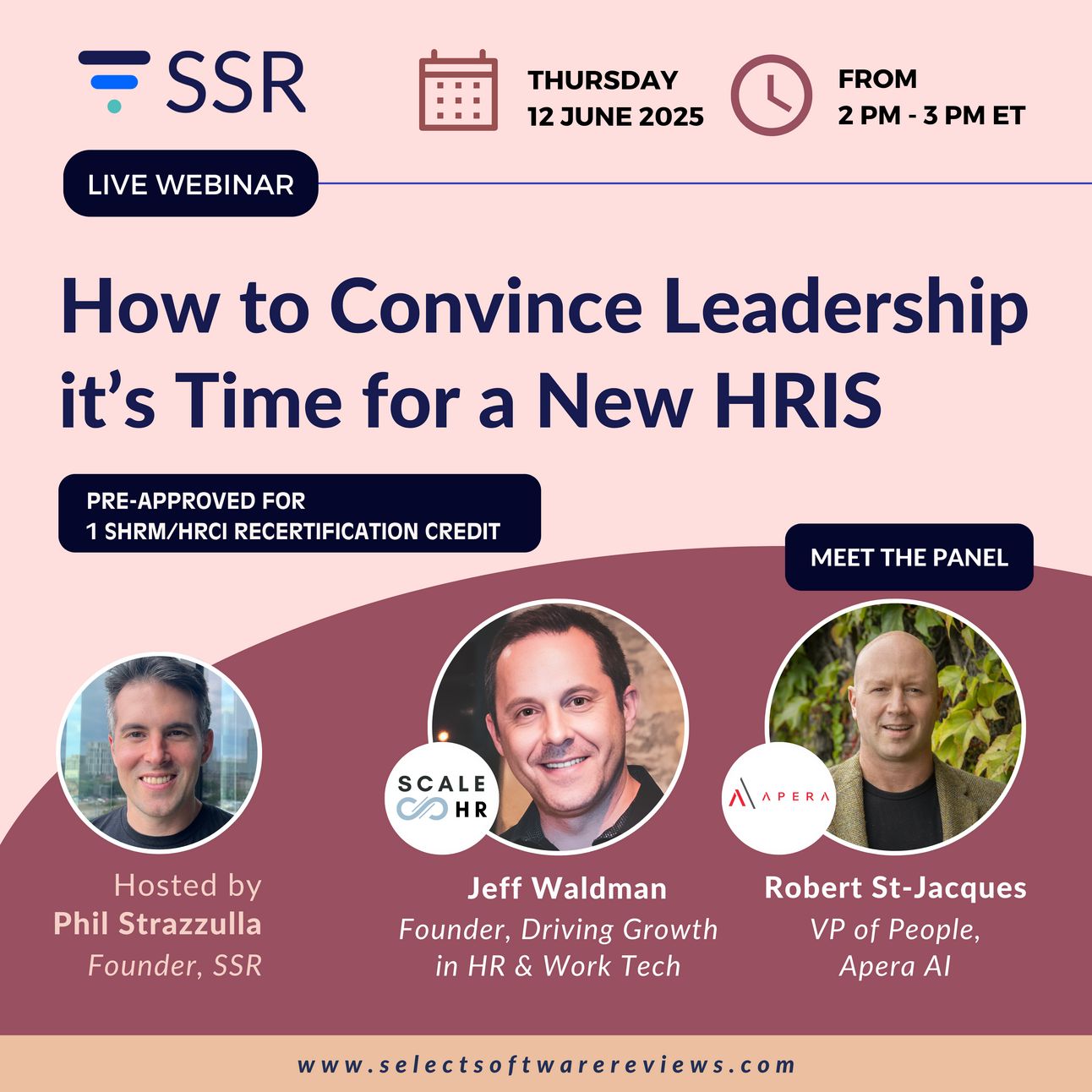
HR Pro Tip: Whether you're buying your first HRIS or trying to replace a current system, our sponsor, SelectSoftware Reviews offers a free HR software matching service that gives you clear, unbiased guidance, for free.
The SSR team has analyzed over 30,000+ tools. After asking you a few quick questions, SSR’s HR experts will tailor a custom vendor shortlist for you and support your buying process. Get your free HR software matches here.
📰 Latest in HR News
Meta announces end of DEI programs. Read the internal memo
Former chef wins £13k after work argument is blamed on medical conditions
ELMO Group acquires Rotageek to give HR teams the tools to ‘plan, adapt and thrive’
LGBTQIA+ discrimination at work expected to rise, leaders warn
🚨 Red Flags in Remote Work: Why Employees Are Losing Patience
From entry-level hires to late-career Boomers, the desire for adaptable schedules and work-from-anywhere options is surging.
Yet, the findings from Mercer’s latest Health on Demand 2025 report, a sharp contrast emerged: while workers clamor for more autonomy, many HR leaders aren’t prioritizing it.
How would you describe your organization’s current approach to flexible working?Only 1 in 3 HR leaders are making flexible work a priority, according to Mercer. What's your organization's stance? 👇 Vote and see how other HR pros are navigating the flexibility gap. |
Here’s what stood out most from the data:

Key Insights
📉 Only 1 in 3 HR leaders consider flexible work a priority, despite it being among employees’ top-valued benefits.
🧠 69% of hybrid workers say they’re thriving — outperforming both fully on-site (63%) and fully remote (58%) colleagues.
👶👵 Both Gen Z and Boomers rank flexibility among top benefits — younger employees want autonomy, while older ones want phased retirements.
🏡 Flexible work boosts loyalty — employees who can personalize benefits are 2.7x more likely to feel cared for by their employer.
🤖 Case Study | How Mastercard Is Using AI to Reinvent HR From the Inside Out
In today’s digital world, employees expect the same ease from HR as they do from booking a ride or reserving a table. At Mastercard, that expectation is becoming a reality with AI reengineering the very foundation of HR.
From streamlining processes to creating personalized, data-driven employee experiences, AI is a strategic core.
Here’s what stood out:

Key Insights
🤝 Balancing compliance with experience — HR solutions meet legal standards and deliver fast, intuitive employee service journeys
🎯 AI investments are prioritized where they solve high-friction pain points for both the business and the workforce
📱 Consumer tech inspires HR redesign — employees navigate HR tasks like they do apps: with minimal steps and maximum clarity
🚀 Internal talent marketplaces driven by AI match people to opportunities and drastically reduce the need for external hiring
😄 Comic Relief (HR Edition)
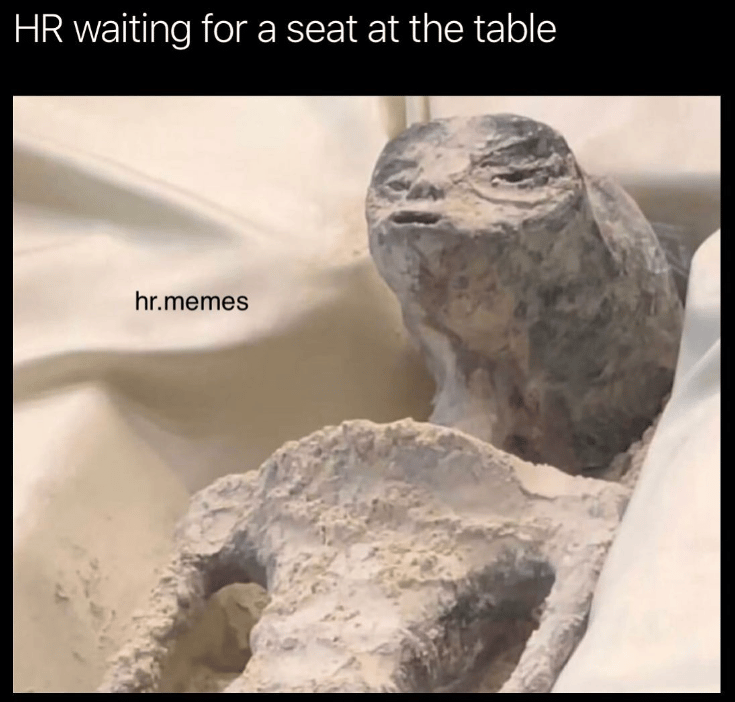
Does HR Actually Have a Seat at the Table in Your Org? |
🤒 Behind the Sick Day Spike: What HR Needs to Rethink
Sickness absence is on the rise again and while the rate has steadied, the impact on employees and organizations is far from flat.
According to new national data, 148.9 million working days were lost to sickness in the UK last year. Behind that headline is a clear call to action for HR: supporting health at work is about reshaping how illness is managed, discussed, and destigmatized.

Key Insights
📈 Sick days surged 19% since 2020, averaging 4.4 days per worker — but Gen Z still reports far fewer absences than Boomers
🧓 Boomers’ sick leave jumped 53% since 2020 — highlighting age-related health needs that may be underserved in current benefit offerings
🗣️ Leaders should normalize sick leave — openly discussing health challenges can help dismantle the “indestructible boss” myth
🧩 Return-to-work success hinges on managers — even the best plan fails without skilled, supported line managers to carry it through
🤔 What Happens When You Flatten the Org Chart?
When companies restructure for agility or autonomy, they’re often chasing speed, innovation, and flexibility, but what happens to the people inside those systems?
Flattening the hierarchy subtly rewires the workforce, attracting traits like openness and conscientiousness, while alienating others. But the biggest shift? It doesn’t happen during hiring, it happens through attrition.
Let’s understand the impact.

Key Insights
📉 Flattening drives attrition more than attraction — structural shifts lead to departures, not new types of hires, shaping teams over time
📊 Workforces get more agreeable, open, and conscientious — de-layered firms saw a 3.6% rise in agreeableness and 2–3% in other key traits
🔁 Outcomes vary widely by execution — companies that lacked integrated leadership or failed to support top performers saw declines in skills and morale
🧩 CHROs must shape structure, not just react to it — aligning people strategy with org design is critical to making flatter models sustainable
PS - Do check out SSR's free HR software matching service. As you know, buying HR software can be stressful and time-consuming. SSR helps you find the right HR software at the right price, saving you both time and money!
How was today's edition?Rate this newsletter. |

Sophia Bennett
Editor-in-Chief
HR Insights Today