- HR Insights Today
- Posts
- If the CEO Isn’t Using AI, Why Should Anyone Else?
If the CEO Isn’t Using AI, Why Should Anyone Else?
Inside: How ‘Technostress’ Is Breaking Teams Before Tools

Sophia Bennett
October 07, 2025

Presented by
Hey HR Pros!
AI is moving quickly from concept to daily reality, and the way senior leaders respond is essential. There is an obvious connection between CEO engagement and the confidence employees feel in applying AI on the job.
When leaders treat AI as a core part of how they work—rather than delegating it to technical teams—it signals that adaptability, not technical mastery, will define success.
Upcoming In This Issue:
💻 New Data | How ‘Technostress’ Is Breaking Teams Before Tools
🤖 AI Adoption | If the CEO Isn’t Using AI, Why Should Anyone Else?
🤖 HR Pro Insights | Prompt Engineering Is Dead. Here’s What HR Should Do Instead
🎙️ Featured Podcast: How Much Severance? What you should pay in the US
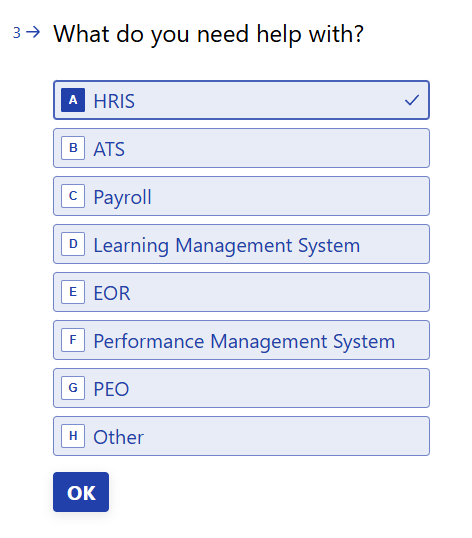
Demos, pricing pages, feature lists… HR software research can be…a lot. This research helper form is designed to simplify:
|  |
📰 Latest in HR News
Misclassification Mistake Leads to $19M Payout by Lyft
Anti-RTO Messages Take Over at Ford: Employees are Resistant to In-Person Work
What HR should watch as the Supreme Court begins its new term
Older workers would consider cosmetic procedures to get a job or promotion
💻 New Data | How ‘Technostress’ Is Breaking Teams Before Tools
We’ve all been there—drowning in notifications, juggling platforms, and wondering if that Slack message was meant to sound so harsh.
In today’s hyper-connected workplace, the very tools meant to streamline productivity are, ironically, driving employees toward the exit door.
A new report based on 4,000 knowledge workers across the U.S., U.K., Canada, and Germany reveals a growing epidemic of “technostress”—a direct result of overcomplicated systems, poor training, and unsupportive digital cultures.

Key Data Insights
📉 64% of employees say technology has made their work lives worse, causing stress, distraction, and feelings of exclusion.
🚪 5% of workers have quit their jobs due to tech stress—potentially 50 million people worldwide making an exit over digital overload.
🔔 43% blame notifications and juggling too many platforms as their top sources of digital overwhelm at work.
💬 28% worry they’ll be misunderstood in messages, while 21% feel stressed due to lack of training on new tools.
🤖 AI Adoption | If the CEO Isn’t Using AI, Why Should Anyone Else?
As expectations rise for employees to adopt and master AI tools, one truth is becoming clear: the success of that shift often depends on what’s happening at the very top.
When CEOs engage with AI not just as cheerleaders but as power users, the entire organization moves faster, smarter, and with more confidence.
How actively is your CEO engaging with AI tools in your organization? |
Key Insights 🧠
🧰 MasterClass CEO uses 8 AI tools daily—including Claude, Gamma, and ChatGPT—to reclaim a full workday’s worth of productivity.
📈 CEO adoption signals cultural change—employees are more likely to explore AI confidently when leaders actively use and endorse the tools.
🧠 Employees feel unprepared, despite interest—many cite lack of training and support as barriers to engaging with AI at work.
🤝 Company retreats and hands-on training are helping bridge the AI confidence gap, encouraging collaboration in selecting and using the right tools.
HR LOLs
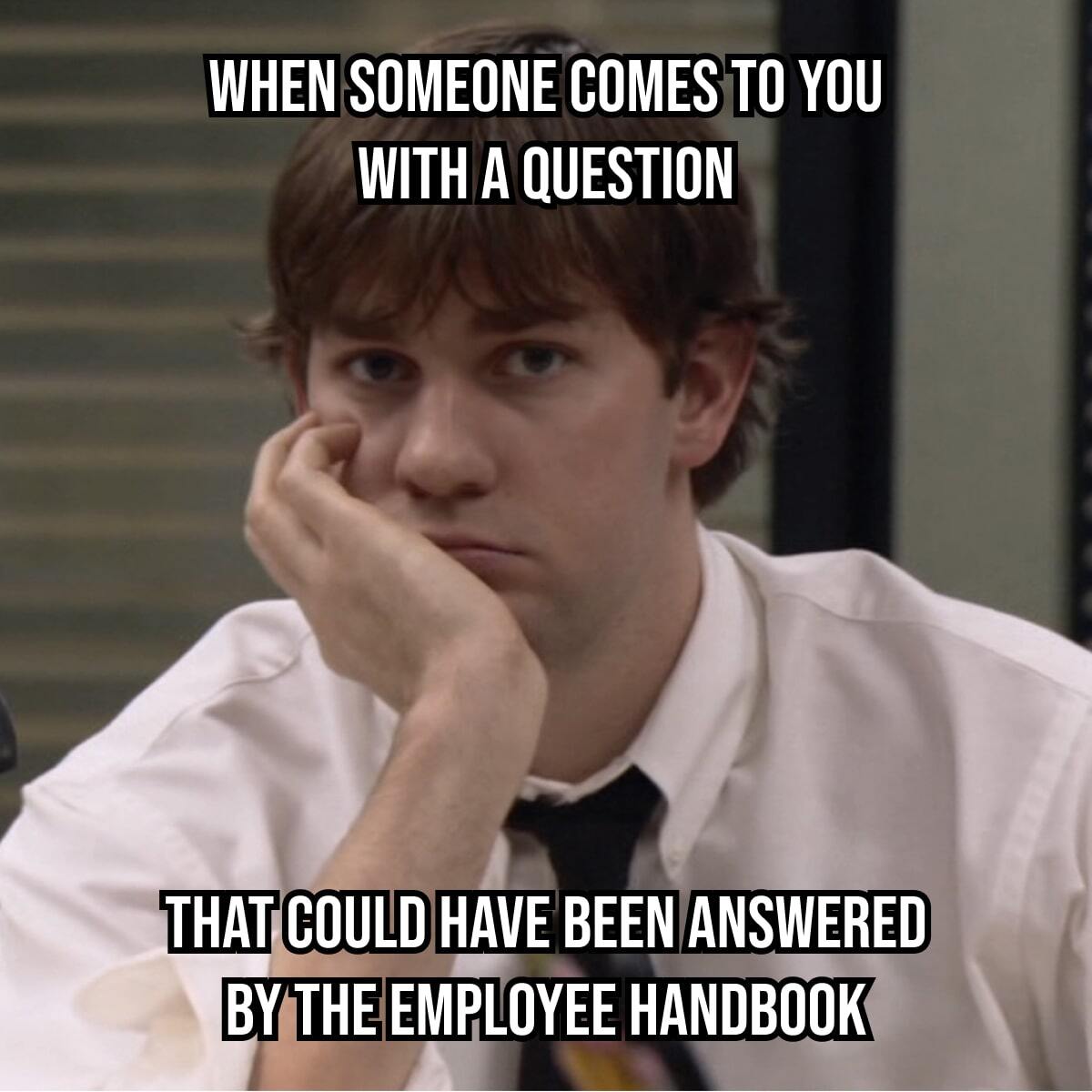
How Relatable Is This? |
🤖 HR Pro Insights | Prompt Engineering Is Dead. Here’s What HR Should Do Instead
The speed at which AI trends rise and fall is dizzying—and few understand that better than David Borowski, senior partner at West Monroe.
He’s watched prompt engineering go from futuristic must-have to outdated relic in under two years. For Borowski, that shift is a warning to HR leaders who are still playing catch-up with yesterday’s skills.

Key Insights from David Borowski
🚫 “Prompt engineering is nowhere”—AI now understands natural language, making rigid prompt-writing skills mostly irrelevant.
📊 “It’s everyone’s problem now”—AI can’t stay in IT; HR must co-lead, reshaping how roles and responsibilities are defined.
🧩 “Build experienced humans who can be augmented”—Borowski warns against cutting junior roles just to boost AI efficiency.
🧭 “Don’t abdicate critical thinking”—Success depends on culture, structure, and adaptability—not flashy AI skills.

Thanks for reading HR Insights Today. There’s always something changing in HR. New tools, new trends, new chaos. Not everyone to keep up with everything happening in HR—so we do it for you. Each edition brings a quick, curated mix of news, resources, and learnings to help you stay updated.
BTW: This newsletter is powered by SelectSoftware Reviews. Their HR software matching service is a free resource HR pros can use to compare tools, dodge bad software, and make confident decisions (without spending hours researching). Worth checking out if you’re exploring vendors. Learn more about it here.
How was today's edition?Rate this newsletter. |

Sophia Bennett | Editor-in-Chief | HR Insights Today