- HR Insights Today
- Posts
- 📊 Managers score below average on empathy across industries
📊 Managers score below average on empathy across industries
Inside: AT&T’s onsite therapy program drives 2,100+ employee visits

Sophia Bennett
March 10, 2026

Presented by
Hey HR Pros!
HR leaders often emphasize empathy as a cornerstone of effective leadership, but new research suggests the reality in management roles may look different. An analysis of thousands of leadership assessments found that managers consistently score below the general population on empathy and other emotional sensitivity traits, raising important questions about how decisiveness, composure, and emotional awareness intersect in modern leadership.
Upcoming In This Issue:
📊 Managers score below average on empathy across industries
💰 Pay transparency laws are changing hiring as more employers publish salary ranges
🏥 4 in 10 employees report higher health care costs
🧠 AT&T’s onsite therapy program drives 2,100+ employee visits
If you're evaluating HRIS platforms, SSR’s HR Software Advisors can help you quickly narrow down your options.
In a short call, they will learn about your team size, priorities, budget, and any tools you already use. Then they will share a shortlist of HRIS platforms that fit your needs, so you can focus on the systems most likely to work for your organization.
This is a 100% free service, and trusted by over 15,000 HR professionals!
📰 Latest in HR News
Trump's DEI, immigration shifts hit employers hard in 2025
Middle East crisis puts ‘citizen soldier’ benefits rules in spotlight
‘Overwhelmingly disappointing’ job losses mar February
Oracle layoffs expected to affect thousands as AI expansions take the lead
📊 Managers score below average on empathy across industries
Analysis of more than 4,000 manager assessments collected over nearly two decades reveals a consistent pattern. The findings highlight a leadership profile shaped less by emotional responsiveness and more by composure and independence, qualities that often support high stakes decision making.
For HR leaders, the takeaway is not that empathy is irrelevant, but that modern leadership may require a careful balance between emotional awareness and the ability to make difficult calls without hesitation.
How would you describe the typical empathy level of managers in your organization? |
Key insights
Managers consistently score below the general population on emotional sensitivity. Empathy ranges between the 27th and 39th percentile across leadership assessments.
Anxiety levels are notably lower among managers. Scores typically fall between the 21st and 29th percentile, suggesting higher composure in pressure driven decisions.
Industry context influences emotional sensitivity. Health and HR managers rank highest, while construction and wholesale retail managers score the lowest overall.
Lower emotional sensitivity may support decisive leadership. Reduced stress reactivity and independence can enable faster decisions when consensus building slows operations.
💰 Pay transparency laws are changing hiring as more employers publish salary ranges
Pay transparency requirements are expanding across Canada, and many organizations are finding the shift easier and more beneficial than initially expected.
New rules in several provinces now require employers to include salary ranges in public job postings, along with additional hiring disclosures in some cases. Publishing salary bands upfront can reduce awkward compensation discussions, create clearer expectations for candidates, and even help companies benchmark pay against competitors.
Does your organization currently include salary ranges in job postings? |
Key insights
Pay transparency legislation is expanding. Some jurisdictions now require salary ranges in job postings for employers with 25 or more employees.
Visible pay ranges can simplify hiring conversations. Recruiters report fewer awkward discussions about compensation during interviews when ranges are disclosed upfront.
Transparency can strengthen internal culture. Clear salary structures may reduce employee speculation about pay differences and improve perceptions of fairness.
The biggest risk is internal pay compression. Employees who see higher ranges externally may question their compensation without clear pathways for advancement.
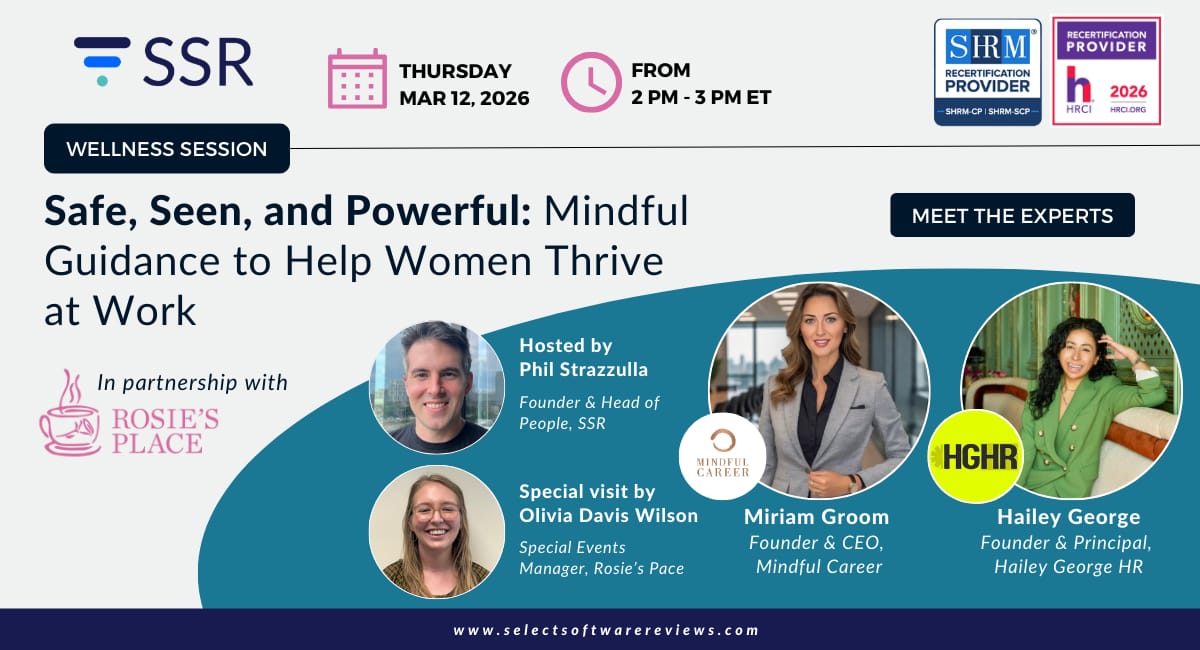
Part discussion and part mindfulness training, this session offers practical approaches HR teams can use to foster psychological safety, encourage presence and self-trust, and design wellbeing initiatives that acknowledge the realities women face at work.
🏥 4 in 10 employees report higher health care costs
Rising health care costs continue to shape how employees manage their finances and engage with employer sponsored benefits. Survey data from privately insured adults shows that many households are feeling the impact, with a significant share reporting increased medical expenses over the past year.
For HR leaders, the findings highlight the growing importance of benefits communication, plan design, and decision support tools as employees navigate increasingly complex and costly health coverage choices.
How confident are you that employees at your organization fully understand their health plan options during open enrollment? |
Key insights
Four in 10 privately insured adults reported higher health care costs. Many responded by cutting discretionary spending or reducing retirement contributions.
Employees spend very little time choosing health plans. About half spend less than one hour reviewing options during open enrollment.
Provider networks are the top factor in plan selection. They rank ahead of premiums and other plan features when employees evaluate coverage.
Health savings accounts are primarily used for short term expenses. Two thirds of HSA holders use funds for current medical costs rather than long term investment.
🧠 AT&T’s onsite therapy program drives 2,100+ employee visits
AT&T is expanding onsite therapy clinics across its offices and call centers as part of a broader investment in employee wellbeing and retention. What began as a single location at the company’s Dallas headquarters has grown into a network of onsite mental health centers staffed with licensed therapists.
Early engagement data from AT&T’s Dallas location suggests strong employee demand when mental health care is embedded into the workplace, offering HR leaders a real world example of how accessibility and integrated benefits can increase utilization of behavioral health services.
Would your organization consider offering onsite or near site mental health services for employees? |
Key insights
The program embeds licensed therapists directly inside AT&T workplaces. Clinics operate in offices and call centers, giving employees convenient access during the workday.
Employees can receive up to 16 no cost therapy sessions. After that, those enrolled in AT&T medical plans can continue care at a $20 in network rate.
The Dallas clinic shows strong engagement. Employees averaged more than 11 visits per day and logged more than 2,100 therapy visits in 2025.
Onsite therapy also drives broader wellbeing engagement. Employees using behavioral health services often connect with additional health resources available at the center.
Thanks for reading HR Insights Today. There’s always something changing in HR. New tools, new trends, new chaos. Not everyone to keep up with everything happening in HR so we do it for you. Each edition brings a quick, curated mix of news, resources, and learnings to help you stay updated.
BTW: This newsletter is powered by SelectSoftware Reviews. Their HR software matching service is a free resource HR pros can use to compare tools, dodge bad software, and make confident decisions (without spending hours researching). Worth checking out if you’re exploring vendors. Learn more about how it works.
How was today's edition?Rate this newsletter. |

Sophia Bennett | Editor-in-Chief | HR Insights Today