- HR Insights Today
- Posts
- 🌍 Sri Lanka’s 4-day workweek shows how crisis can redefine workforce strategy
🌍 Sri Lanka’s 4-day workweek shows how crisis can redefine workforce strategy
Inside: Find HR software options you didn’t know to look for

Sophia Bennett
March 31, 2026

Presented by
Hey HR Pros!
Sri Lanka’s shift to a four-day workweek offers a sharp case study in how quickly workforce strategy can evolve when external pressures demand it.
What stands out is not just the policy itself, but the speed and coordination behind it, as public and private sectors aligned to stabilize both business continuity and workforce wellbeing.
For HR leaders, this example highlights how flexibility can move from a long-term talent initiative to an immediate operational lever, requiring clear communication, adaptive policies, and a deeper integration between workforce planning and external realities.
Upcoming In This Issue:
📊 47% market value premium tied to peak performance cultures in the AI era
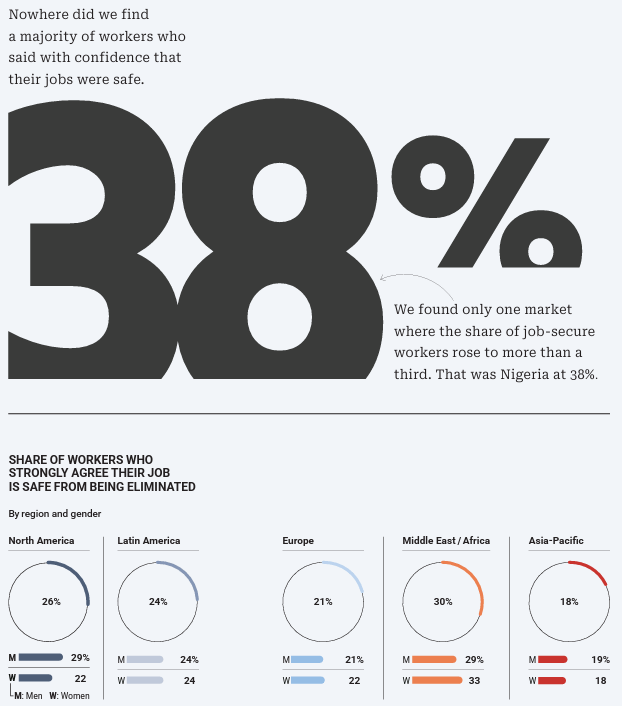
📉 Only 22% of workers feel confident their jobs are secure globally
🌍 Sri Lanka’s 4-day workweek shows how crisis can redefine workforce strategy
📊 Only 18% of organizations are capturing real value from AI through talent strategy
SSR’s HR software advisors bring you a mix of familiar platforms and overlooked HR tools that still meet your needs, so your vendor shortlist is more relevant, less repetitive, and actually worth exploring.
📰 Latest in HR News
10M could lose Medicaid due to work requirements, more frequent eligibility checks, study finds
David Ellison is calling more Paramount employees back to the office. Here are the details of its 'Phase 2' RTO push.
DOL proposes higher wage rates for H-1B visa holders
Boeing, GM and Mayo Clinic among top-rated employers for pay, promotion and retention
📊 47% market value premium tied to peak performance cultures in the AI era
Organizations that align employee engagement with performance confidence are seeing measurable financial upside, with culture emerging as a core driver of business outcomes rather than a secondary priority.
At the same time, AI adoption is intensifying pressure on teams, with most executives expecting productivity gains while employees report increased workload.
This tension is pushing HR leaders to rethink culture not as a soft metric, but as an operating system that directly influences execution, retention, and sustained performance.

Key insights
🚀 Peak performance drives measurable returns companies with high engagement and performance confidence achieved 36% share price growth over two years consistently
🧠 Engagement and performance are not tradeoffs treating them separately leaves value behind, while integrating both creates a 47% market advantage over peers
🤖 AI is increasing pressure on employees 77% report higher workloads despite 96% of executives expecting productivity gains from AI adoption initiatives
📊 Culture can now be operationalized new frameworks enable HR leaders to diagnose culture states and take targeted action across teams systematically
Read the full article here: https://www.cultureamp.com/company/announcements/pcq-launch-2026
📉 Only 22% of workers feel confident their jobs are secure globally
Despite historically low unemployment, workforce anxiety is rising, with job insecurity emerging as a defining factor shaping engagement, productivity, and retention across organizations.
Global data shows confidence in job security remains low across every region, with no market reaching a majority of workers who feel secure.
For HR leaders, job security is a critical lever tied directly to performance, wellbeing, and long-term retention.
Key insights
📊 Job insecurity is widespread globally only 22% of workers strongly believe their jobs are safe, regardless of economic stability conditions
⚠️ Insecurity directly impacts performance workers who feel unsafe are less engaged, more stressed, less productive, and more likely job hunting
🧩 Work type shapes confidence levels knowledge workers report nearly double the job security of repetitive task workers across industries and roles
📈 Security drives business outcomes employees who feel secure are six times more engaged and twice as likely to stay with their employer
Read the full article here: https://www.adpresearch.com/wp-content/uploads/2026/03/TaW_2026-Issue1.pdf
In this session, we’ll unpack the signals that it’s time to evolve your HR operating model, how to assess whether staying with a PEO still makes financial and strategic sense, and what it really takes to build internal systems that scale. 🪴 Join live to win one of two desk plants to make your workspace a little bit brighter! | 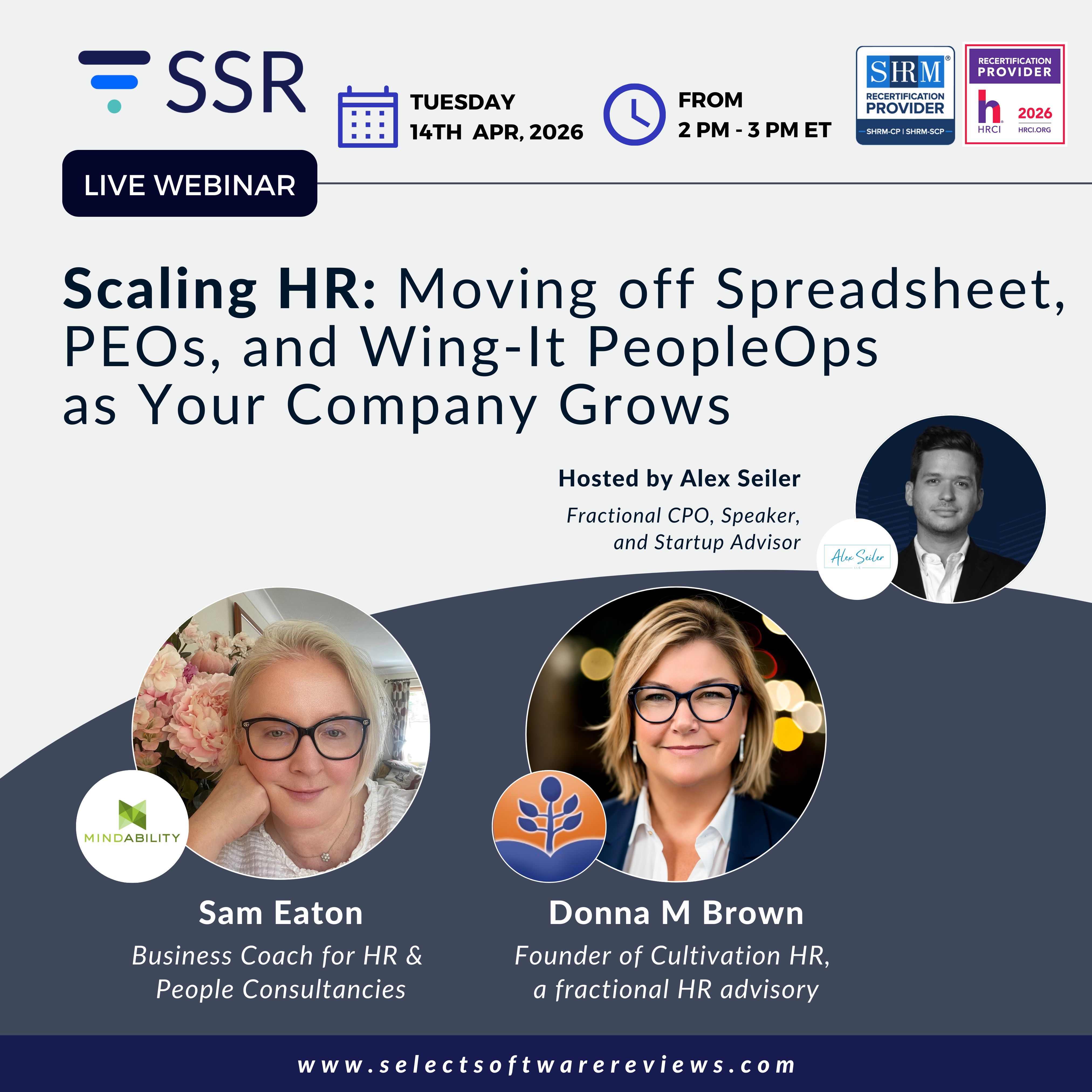 |
🌍 Sri Lanka’s 4-day workweek shows how crisis can redefine workforce strategy
Sri Lanka implemented a temporary four-day workweek by giving public sector employees Wednesdays off to reduce fuel consumption during a severe energy crisis, while encouraging private organizations to follow suit.
The move was not positioned as a benefit but as an operational necessity, designed to immediately cut commuting demand and preserve limited national resources.
For HR leaders, the case illustrates how quickly workforce models can be restructured when external constraints demand decisive action.
Key insights
⛽ Workweek redesign can solve immediate constraints Sri Lanka reduced commuting demand by introducing a midweek day off to conserve fuel nationwide
🧭 Government signals accelerate organizational change public sector policy created a blueprint that private employers were encouraged to adopt quickly
🏗️ Operational flexibility must extend beyond HR policies companies adjusted production, transport, and scheduling to align with resource limitations
💬 Employee-centric communication is critical organizations were urged to actively guide workers through changes, support systems, and evolving expectations
Read the full article here: https://www.thehrdigest.com/taking-crisis-management-lessons-from-sri-lankas-four-day-work-week/
📊 Only 18% of organizations are capturing real value from AI through talent strategy
A small group of organizations are outperforming peers by aligning talent strategy with AI adoption, showing that value is created when people and technology evolve together rather than in parallel.
These organizations are significantly more likely to strengthen culture, improve employee experience, and build adaptable workforces, translating into measurable gains in revenue and profit.
In contrast, most companies are investing in AI without evolving their talent models, creating gaps in skills, alignment, and execution.

Key insights
🚀 Talent reinventors outperform peers this group is 7x more likely to strengthen culture and delivers higher revenue and profit growth consistently
🤖 AI investment is outpacing talent strategy most organizations adopt AI without updating workforce models, limiting value realization and scalability
🧠 Only one third achieve true alignment just 33% align talent strategy with AI, creating execution gaps and slowing transformation efforts
📚 Learning is not keeping pace with AI adoption only 19% of employees feel equipped with AI skills while most organizations lack embedded learning systems
Thanks for reading HR Insights Today. There’s always something changing in HR. New tools, new trends, new chaos. Not everyone to keep up with everything happening in HR so we do it for you. Each edition brings a quick, curated mix of news, resources, and learnings to help you stay updated.
BTW: This newsletter is powered by SelectSoftware Reviews. Their HR software matching service is a free resource HR pros can use to compare tools, dodge bad software, and make confident decisions (without spending hours researching). Worth checking out if you’re exploring vendors. Learn more about how it works.
How was today's edition?Rate this newsletter. |

Sophia Bennett | Editor-in-Chief | HR Insights Today