- HR Insights Today
- Posts
- This Company is Tying AI Skills to a Promotion
This Company is Tying AI Skills to a Promotion
Inside: New Report by Cisco on Hybrid Work

Sophia Bennett
July 27, 2025

Presented by

Hey HR Pros!
In this edition, we’re diving what is shaping how we lead, hire, and retain top talent. From the push for AI fluency and what it really means for employees, to bold PTO experiments designed to combat burnout, to a reality check on why half of companies are still struggling with hybrid work—this edition is all about rethinking how work gets done.
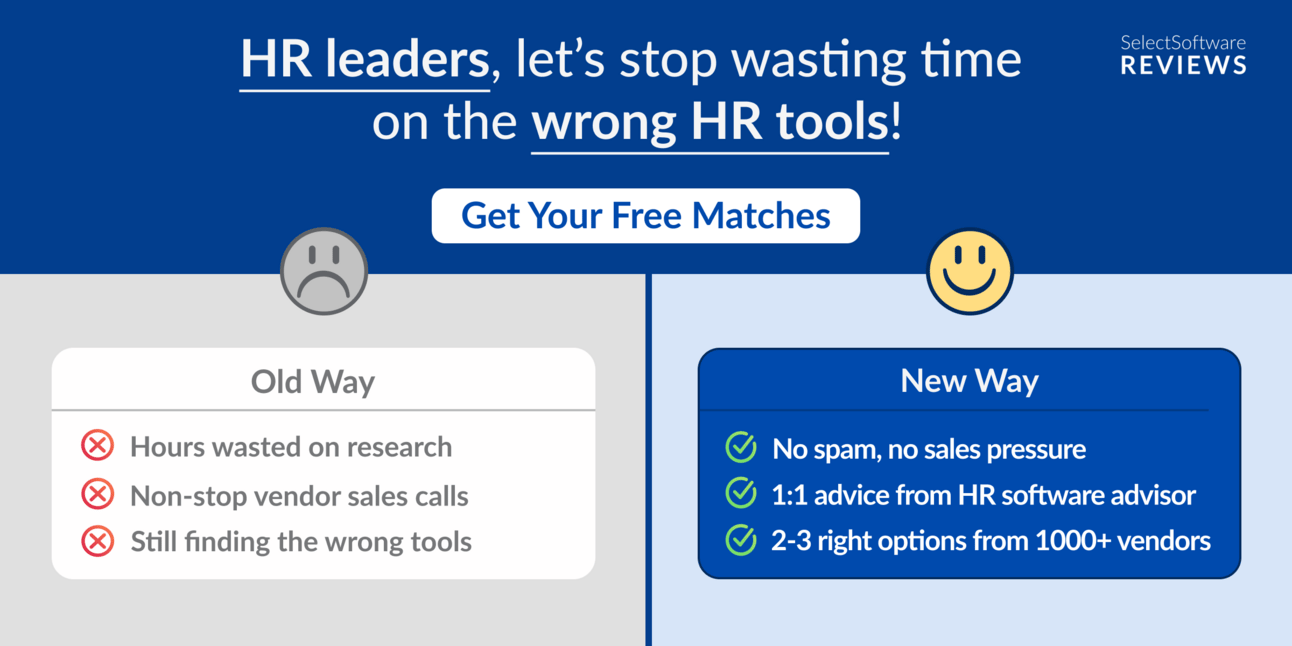
The old way of researching tools is done. HR leaders are switching to a smarter, faster way — SSR’s free HR software matching service.
📰 Latest in HR News
Ex-Truist employee stole $195K in customer funds, faked her own death
Anthropic allows AI use in hiring after initial ban
HR data found in 82% of data breaches, analysis reveals
Cracker Barrel hit with DEI complaint by pro-Trump group
Upcoming In This Issue:
🧠 HR Pulse Check | Is PTO the New Power Move for Employee Well-Being?
🤖 AI Policy | This Company is Tying AI Skills to a Promotion
📚 HR Lessons | Building an AI-Ready Workforce: A Chief People Officer’s Playbook
📑 New Report by Cisco | Hybrid Work Reality Check: What Employees Really Think
🧠 HR Pulse Check | Is PTO the New Power Move for Employee Well-Being?
Olipop, the soda brand known for its inventive take on wellness, is taking PTO culture up a notch with its “Summer Recharge” initiative. As HR leaders, we know the paradox of unlimited PTO: employees often take less time off when no clear boundaries exist.
Olipop is flipping that script by encouraging every employee to take some time off between June and September, sweetened with a chance to win a travel stipend.

Key Considerations
Incentivizing Rest 🌴 – Employees who take five consecutive summer days off are automatically entered into a $1,000 travel stipend raffle.
Fixing Unlimited PTO’s Flaw ⚖️ – Research shows unlimited PTO often backfires, as employees hesitate to take time; Olipop is addressing this head-on.
Culture of Trust 🏆 – CEO Ben Goodwin emphasizes treating employees like adults, combining flexibility for sick days and childcare with wellness-focused PTO.
Internal Meets External 🎯 – The summer break program mirrors Olipop’s consumer sweepstakes, blending internal culture-building with brand ethos.
What’s your opinion on Olipop’s approach to incentivized PTO? |
🤖 AI Policy | This Company is Tying AI Skills to a Promotion
The corporate ladder is being rewired by artificial intelligence, and companies like Amazon Ring are making it clear that AI proficiency isn’t optional anymore.
Employees aiming for a promotion within Amazon’s RBKS division (Ring, Blink, Key, Sidewalk) must now demonstrate how they’re leveraging AI in their roles. This policy highlights a growing trend across industries: promotions and performance reviews are beginning to hinge on how well employees embrace emerging technologies.

What HR Needs to Know:
Why It Started – Ring founder Jamie Siminoff wants to fuel “innovative thinking” and ensure AI tools are actively shaping the way employees work.
How It Works – Employees seeking promotions must detail how AI has helped them solve problems, increase efficiency, or improve workflows.
Impact on Employees – The policy has fueled frustration, as employees worry about being evaluated on skills they weren’t originally hired to have.
Industry Momentum – Companies like Microsoft, Duolingo, and Shopify are already tying employee performance to AI use, signaling a broader corporate shift.
Future Outlook – If Amazon’s model proves effective, more organizations may adopt similar policies, reshaping how promotions and talent growth are defined.
😄 Comic Relief (HR Edition)
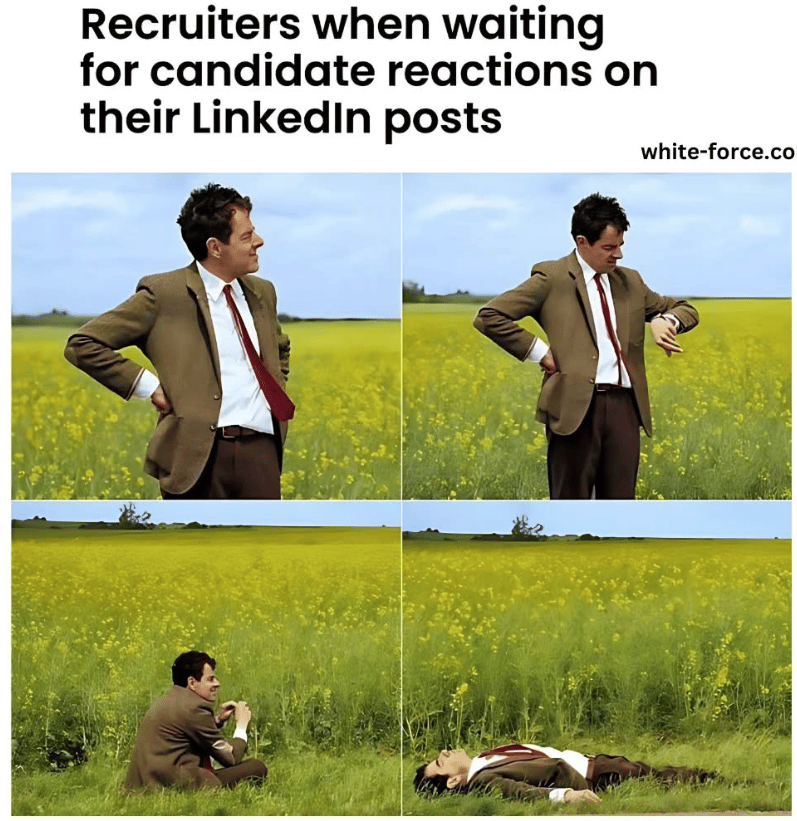
If you work in recruitment, how effective do you find LinkedIn for sourcing candidates? |
📚 HR Lessons | Building an AI-Ready Workforce: A Chief People Officer’s Playbook
AI is transforming every corner of the workplace, but according to Amy Mosher, chief people officer at isolved, the key is about giving them the confidence to use AI effectively and responsibly.
With 37% of employees fearing job loss due to AI, Mosher emphasizes that HR must not only address these concerns but also position AI as a growth enabler rather than a threat.

Key Learnings from a CPO
AI Fluency Over Expertise – Mosher stresses that AI fluency means practical confidence—knowing how to use AI responsibly—rather than deep technical mastery.
HR as a Strategic Partner – She highlights the need for HR and IT alignment to identify the right AI tools and ensure role-specific training starts from onboarding.
Upskilling for the AI Era – Continuous learning and adaptable L&D programs are essential to keep pace with rapidly evolving AI features and foster employee confidence.
Future-Proofing Talent – Entry-level roles should be enhanced with soft skill development and early exposure to AI tools to build long-term tech literacy.
Driving Inclusive Hiring – Mosher points to AI’s potential in democratizing access to jobs, reducing bias, and focusing on skills rather than degrees or backgrounds.
📑 New Report by Cisco | Hybrid Work Reality Check: What Employees Really Think
Recent research from Cisco’s Global Hybrid Work Study reveals a troubling disconnect: nearly 4 in 5 employees believe return-to-office mandates stem from management’s lack of trust in remote productivity. At the same time, more than 3 in 5 workers say they’d accept a pay cut for greater remote flexibility.
The data is clear—companies that fail to create seamless hybrid experiences risk losing both talent and productivity.

Key Findings
Trust Gap Erodes Engagement – 79% of employees believe RTO mandates reflect a lack of confidence in remote work performance.
Retention Edge for Flexibility – Organizations requiring fewer than three office days see the highest retention among top performers.
Pay vs. Flexibility Trade-off – 3 in 5 workers would sacrifice pay for more remote options, underscoring flexibility as a key talent driver.
Productivity and Retention Gains – Companies with strong hybrid models report a 34% boost in retention rates and 28% higher productivity.
PS - Do check out SSR's free HR software matching service. As you know, buying HR software can be stressful and time-consuming. SSR helps you find the right HR software at the right price, saving you both time and money!
How was today's edition?Rate this newsletter. |

Sophia Bennett
Editor-in-Chief
HR Insights Today