- HR Insights Today
- Posts
- ⏰ Too Busy for a Health Checkup? Why Employers Should Care
⏰ Too Busy for a Health Checkup? Why Employers Should Care
Inside: A 110-hour work week?

Sophia Bennett
May 11, 2025

Presented by

Hello HR Pros!
From the slow disappearance of DEI job titles to HR’s silence in the face of 100-hour workweeks, there lies a common thread: quiet compliance in systems that value productivity over people.
As inclusion efforts retreat into the background and junior employees burn out while waiting for someone to speak up, the question isn’t just what’s broken—it’s who’s willing to fix it.
⬇️ Upcoming in this issue
⏱️ The 30-Minute Test: What Job Seekers Really Want from Hiring
⏰ Too Busy for a Health Checkup? Why Employers Should Care
🔍 Inclusion Goes Undercover: How DEI Work Is Quietly Evolving
💼 A 110-Hour Work Week? Why Overwork in Finance Keeps Coming Back
All our readers have access to SSR’s free HR software matching service that can help HR leaders like you save hours of time on research and vendor demos.
📰 Latest in HR News
Deel files motion to dismiss Rippling’s corporate espionage lawsuit
Tech execs are eager for robots at work. Is HR ready?
SHRM research finds nearly 20 million jobs are at risk for displacement
IBM Just Declared ‘The Era of AI Experimentation Is Over.’ Here’s Why
⏱️ The 30-Minute Test: What Job Seekers Really Want from Hiring
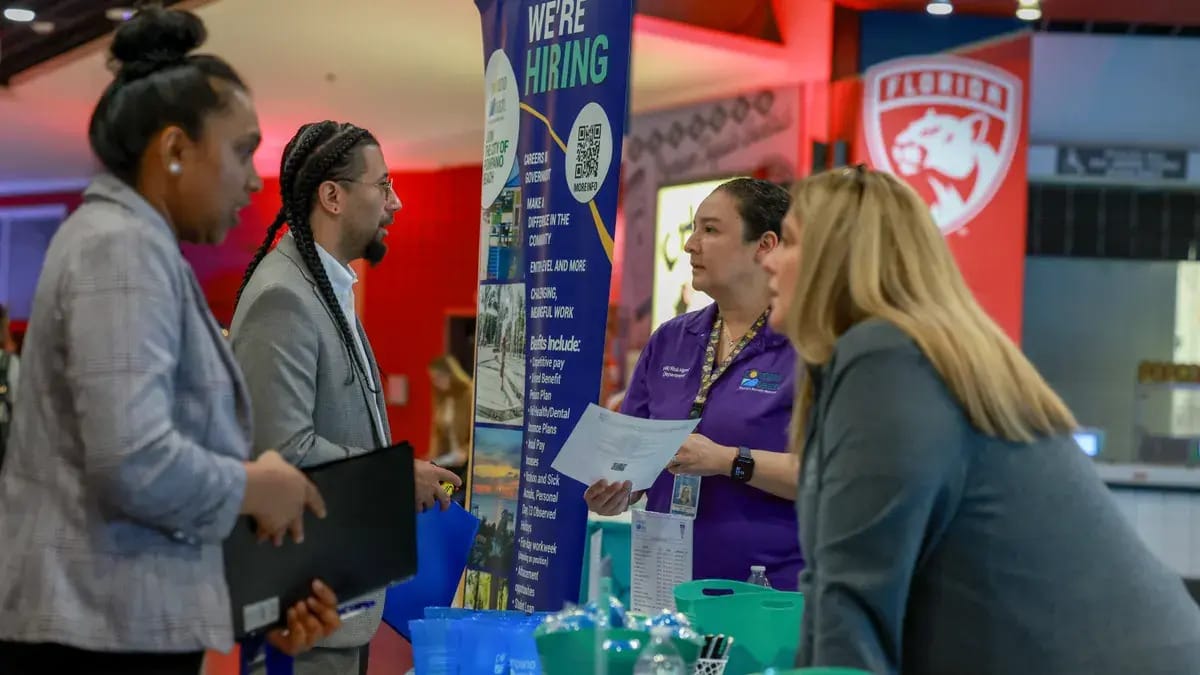
A slow, opaque, or overly automated hiring process can turn job seekers away before they ever hit “submit.”
Survey data shows that today’s candidates are putting their foot down on clunky applications and unclear expectations. Employ, Inc. surveyed over 1,500 U.S. adults, and the results reveal what truly shapes a candidate’s impression and decisions—from AI to transparency to the promise of long-term growth.
Key Insights
🕒 71% of job seekers expect applications to take under 30 minutes
They’re not waiting around—35% say they’ve abandoned applications that took too long to complete.🤖 66% say AI chatbots improve their hiring experience
But 58% still trust human recruiters more than AI when navigating job applications and next steps.🗣️ 36% left jobs within 90 days over hiring “mismatches”
What they were promised in interviews didn’t match the reality once they started working.📈 40% turned down jobs due to weak growth opportunities
Career development is a make-or-break factor, with many citing limited advancement or bad location as dealbreakers.
⏰ Too Busy for a Health Checkup? Why Employers Should Care
It’s easy to push off a doctor’s visit when work is relentless and schedules feel carved in stone. But new research reveals just how widespread—and risky—this delay culture has become, with potential consequences not just for individuals, but for the companies they work for.

Key Insights
⏳ 94% of Americans face barriers to timely health screenings
Logistical challenges, fear, and work conflicts are the biggest culprits preventing early detection and treatment of serious conditions.🏥 1 in 5 Americans has no regular primary care doctor
Most cite feeling healthy as the reason, despite evidence linking a PCP to higher checkup and screening rates.🧪 72% see doctors annually, but only 33% get blood tests
Many cite workplace time pressure and confusion about test results as top reasons for skipping this key screening.📦 At-home blood tests boost access and understanding
Startups like SiPhox offer mail-in kits with easy-to-read health scores and action plans, removing major screening obstacles.
😄 Comic Relief (HR Edition)
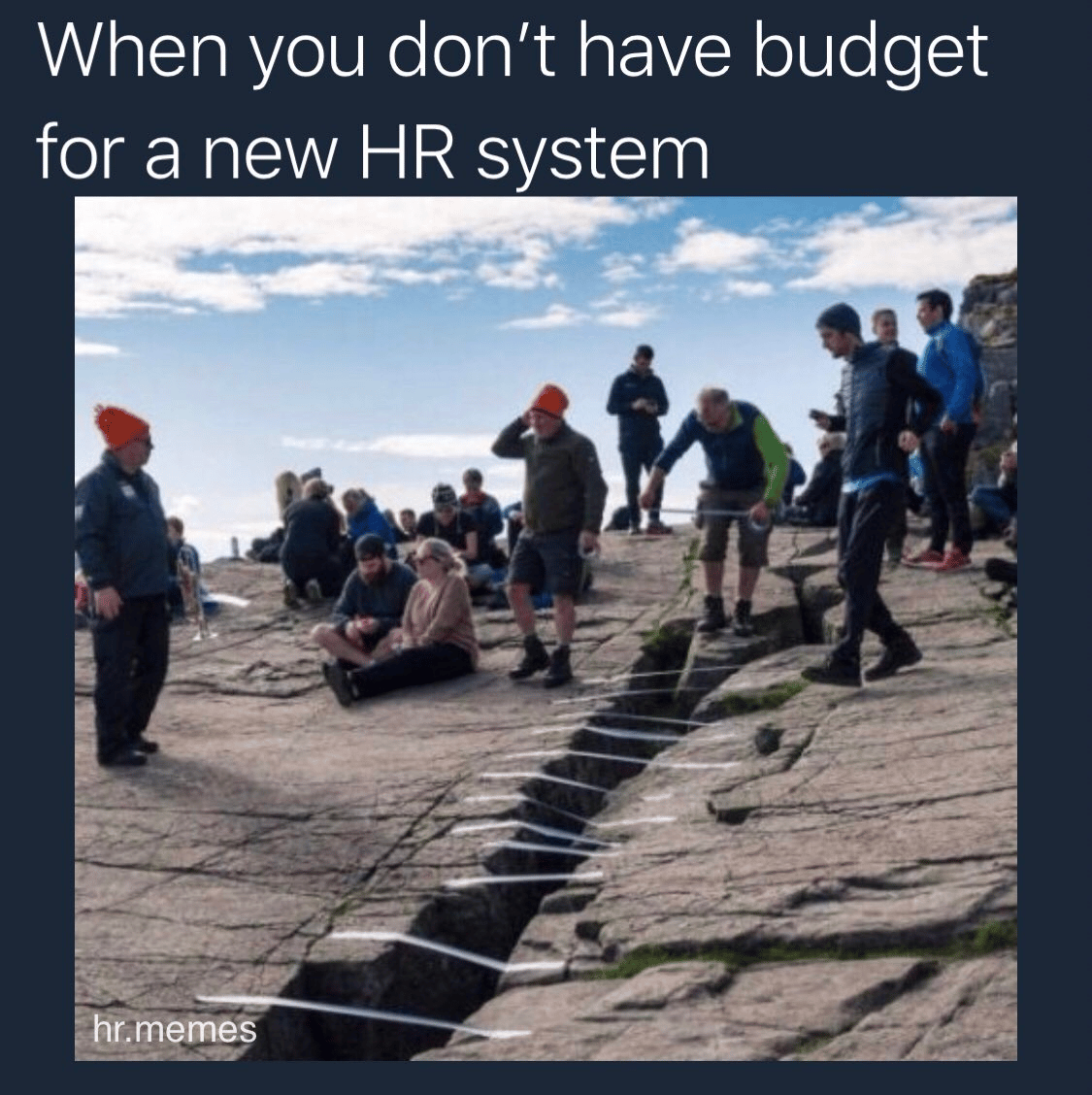
What’s really holding you back from upgrading your HR system? |
🔍 Inclusion Goes Undercover: How DEI Work Is Quietly Evolving
Across industries, DEI professionals are adapting as political scrutiny reshapes what inclusion looks like inside today’s organizations.
With traditional roles disappearing and job titles rebranded, the field is pivoting toward impact over visibility—and finding new ways to stay in the room.
Key Insights
📉 DEI job postings at S&P 500 firms dropped over 70% in 2024
Only six new DEI roles were posted in Q1 2025, as companies rebrand or eliminate positions entirely.💼 Consultants are ditching DEI labels for 'change management' titles
To reduce political blowback, some are pivoting to leadership and culture coaching without using race or gender terminology.🔕 CEOs are still backing DEI—but behind closed doors
Internal programs are being expanded to all employees while public-facing language is scrubbed to avoid controversy.📊 60% revenue drop reported by DEI consultants since 2023
Long-term contracts have been replaced by one-off workshops, reflecting companies’ reduced appetite for visible diversity efforts.
The latest overwork scandal is from a Midwestern firm, signaling that burnout culture has transcended Wall Street.
Despite decades of cyclical outrage, rule changes, and HR hand-wringing, junior bankers continue to log brutal hours, driven by middle managers, vague cultural expectations, and fear of falling behind.
What should HR’s top priority be in addressing chronic overwork? |

Key Insights
🕰️ Junior bankers at Baird logged 110-hour weeks, some hospitalized
The scandal echoes past cycles of overwork where cultural pressure and weak oversight push young staff beyond limits.📉 Overwork persists due to poor management, not just workload
Juniors stay late not to work, but to wait—just in case a task drops in at midnight.💬 HR departments knew, but had limited power
Often stuck in the background, HR hears complaints but lacks authority when organizational priorities favor output above all else.🏆 Consulting firms are now more attractive than banking
New grads increasingly choose employers with better people management, showing long-term reputational risks for finance firms.
PS – If you are stuck finding the right HRIS or ATS, our sponsor, SSR, offers a free HR software matching service that thousands of HR leaders trust. It’s fast, vendor-neutral, and helps you find the right tools without the usual hassle.
How was today's edition?Rate this newsletter. |

Sophia Bennett | Editor-in-Chief | HR Insights Today