- HR Insights Today
- Posts
- 🤖 Will Your Organization Need AI Insurance?
🤖 Will Your Organization Need AI Insurance?
Inside: ATS Pricing Report by SSR

Sophia Bennett
May 15, 2025

Presented by

Hi there! 👋
In this edition, we explore how work is being redefined—from AI liability to side hustles and stolen time.
AI tools now might need insurance, and employees continue to juggle multiple jobs. HR leaders and employers face new questions about trust, governance, and flexibility—all while racing to future-proof their teams.
Curious what it means to lead responsibly in this climate? Let’s unpack it.
⬇️ Upcoming in this issue
🔁 From Career Ladders to Career Loops
🕒 When Time Theft Becomes the Real Office Crime
🧑💼🧑💼🧑💼 The Rise of Poly-Employment—and What Leaders Should Do About It
🤖 Will Your Organization Need AI Insurance?
Applicant Tracking Systems are essential—but are you overpaying? Our sponsor, SelectSoftware Reviews (SSR), just released a report analyzing the pricing models of the leading ATS tools in 2025. Get exclusive tips from experts on how to evaluate ROI, negotiate better prices, and avoid costly hidden fees. | 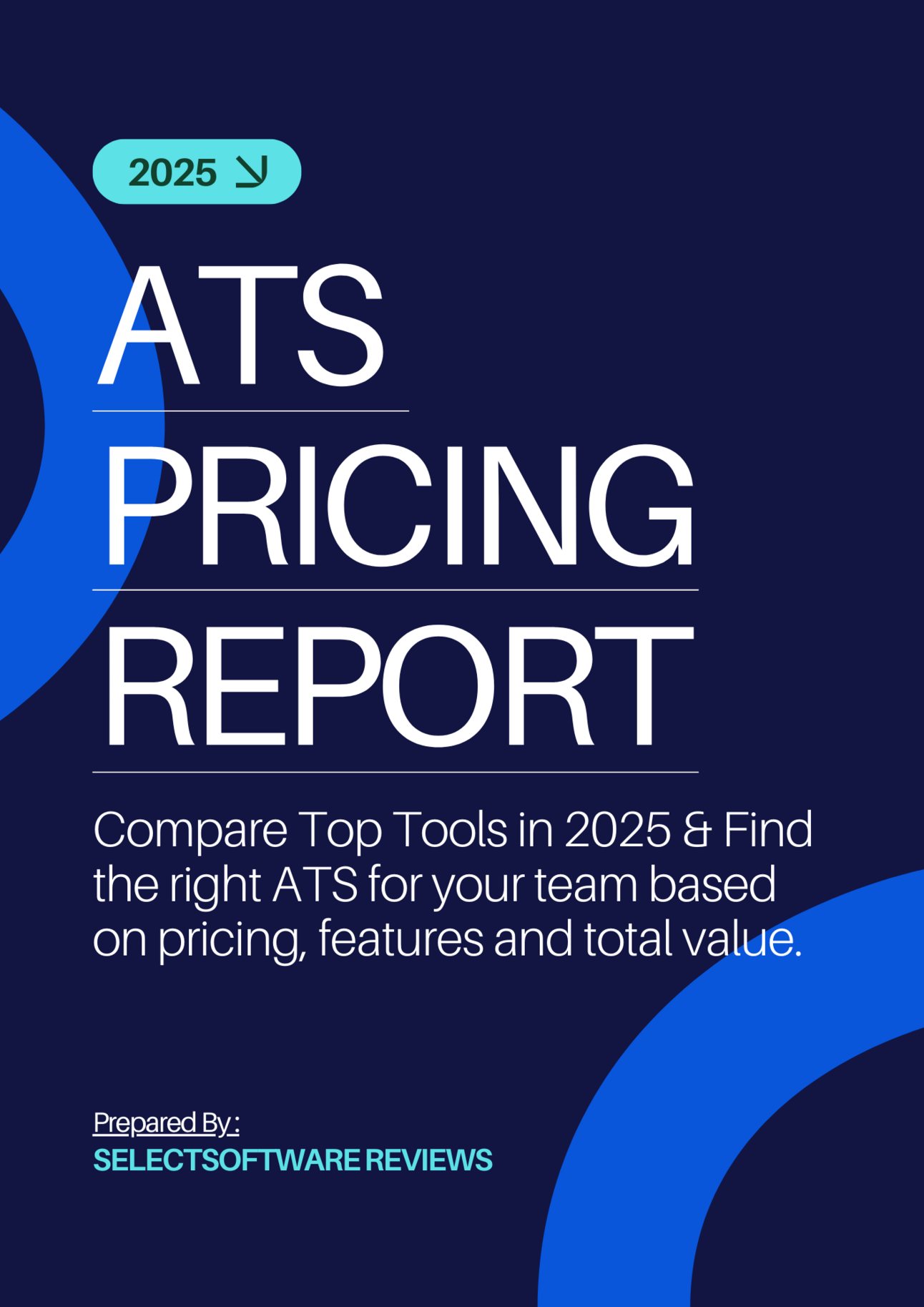 |
P.S. - SSR also provides a free HR software matching service where they match you with the right ATS vendors based on your company needs and budget.
📰 Latest in HR News
Over half of hiring managers say recent grads are unprepared for the workforce
How Trump's tariffs are affecting recruiting and retention
Employees are worried about how tariffs will affect their pay. Should they be?
SHRM research finds nearly 20 million jobs are at risk for displacement
🔁 From Career Ladders to Career Loops
While Baby Boomers and Gen Xers stuck around for years—sometimes decades—Gen Z is averaging a new job every 12 months. But it’s not just a matter of preference bur rather about economics, instability, and the changing shape of work itself.
As younger professionals prioritize flexibility, income growth, and meaning, the definition of “career” is being rewritten in real time.

Key Insights 📊
📉 Gen Z changes jobs 7x faster than Boomers: They average 1 year per job versus Boomers’ 7.5 years, based on post-age-21 full-time roles.
💸 Switching jobs boosts pay more than staying put: Rapid salary growth, declining pensions, and rising living costs incentivize moving over climbing.
🌀 Remote work and side hustles shape career paths: The post-COVID landscape favors patchwork careers over traditional trajectories, especially for younger workers.
🧠 Job-hopping builds adaptability, but risks stability: It can stunt mentorship, long-term benefits, and deep expertise while boosting skills and flexibility.
🕒 When Time Theft Becomes the Real Office Crime
We've all seen it—someone grabbing a handful of office supplies like it's a right, not a raid. But the real cost to companies in 2025 isn’t about missing pens or paperclips. It's stolen time: hours spent cooking, cleaning, or napping during logged-in workdays.
Data shows that workplace theft is often not malicious but motivated by burnout, rigid policies, and discontent.
The more companies try to monitor their way out of the problem, the more resentment they risk stirring up. Workplace theft may be subtle, but its impact is loud and clear.
🔍 Do you believe employees are "stealing" from work—whether time, resources, or productivity? |

Key Insights:
📊 67% of employees admit to some form of workplace theft: Over half say they use work hours to cook, nap, or do chores.
👨💼 Managers steal cash at twice the rate of non-managers: Financial fraud isn't just a low-level issue—leadership is also part of the problem.
⌛ Workers overreport an average of 4.5 hours/week: That’s nearly a full extra workday every month being falsely logged.
⚖️ Theft prevention starts with better policies, not surveillance: Culture, flexibility, and clear boundaries reduce theft more than cameras ever will.
😄 Comic Relief (HR Edition)
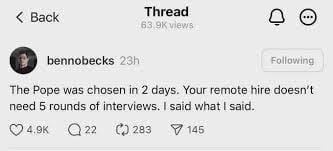
👉 How long does your typical hiring process take (be honest 👀)? |
🧑💼🧑💼🧑💼 The Rise of Poly-Employment—and What Leaders Should Do About It
From economic pressure to career exploration, more employees are taking on side gigs, part-time roles, or freelance work to secure their financial futures.
Rather than fight it, employers need to adapt—by setting clear expectations, encouraging transparency, and avoiding assumptions about full-time availability.
Across the U.S., Australia, New Zealand, and Japan, millions are embracing this new model, which challenges traditional ideas of loyalty, work-life balance, and what a “job” really means.

Key Insights:
📊 Over 8.8 million Americans hold multiple jobs: That’s 5.4% of the workforce, with similar growth in Australia, New Zealand, and Japan.
💡 Gen Z is leading the charge: They're drawn to diverse work, flexibility, and faster skill-building—not just a bigger paycheck.
🔄 Multiple jobs = stronger resumes: Job-hopping through poly-employment gives candidates exposure to different roles and industries early in their careers.
🤝 Communication is key for employers: Open dialogue and realistic workload expectations help avoid burnout and last-minute clashes.
🤖 Does Your Organization Need AI Insurance?
A Toronto-based startup, backed by Lloyds of London, is now offering a first-of-its-kind insurance policy to cover AI-related mishaps. This insurance aims to protect companies from lawsuits and losses triggered by AI-generated errors, but only after the AI model is evaluated and deemed stable enough.
As AI tools become more embedded in business operations, companies need to understand that AI even though a powerful tech asset, is also a liability with a premium.

Key Insights:
📉 AI-induced lawsuits are insurable—if the model passes risk checks: Armilla insures only vetted models, guarding against malfunctions like hallucinations or degraded performance.
✈️ A real case: Air Canada’s AI invented a fake discount: The airline was forced to honor it; under this new policy, some losses could’ve been offset.
🔍 Human oversight is still non-negotiable: Experts warn that hallucinations can’t be eliminated, only mitigated—especially in high-risk business areas.
💡 Insurance may boost AI adoption rates: Startups and enterprises hesitant to use AI may feel more confident with a financial safety net in place.
PS – If you are stuck finding the right HRIS or ATS, our sponsor, SSR, offers a free HR software matching service that thousands of HR leaders trust. It’s fast, vendor-neutral, and helps you find the right tools without the usual hassle.
How was today's edition?Rate this newsletter. |

Sophia Bennett | Editor-in-Chief | HR Insights Today